Business Card Design: The Ultimate Guide to Choosing the Right Template
When it comes to building a strong brand presence, a well-designed business card can make all the difference. In today’s fast-paced world, first impressions matter more than ever. Whether you're an entrepreneur, freelancer, or small business owner, your business card is often the first physical touchpoint with potential clients or partners. That’s why choosing the right business card template is crucial for making a lasting impression.
Why Invest in a Quality Business Card Template?
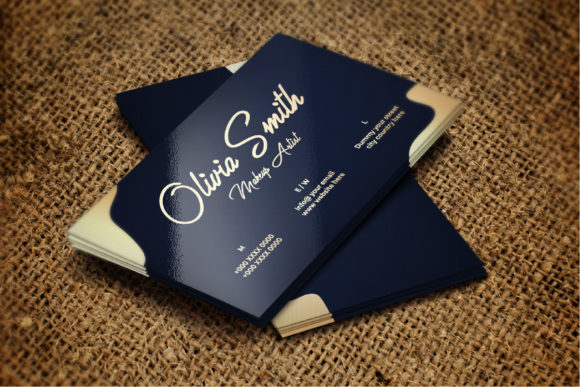
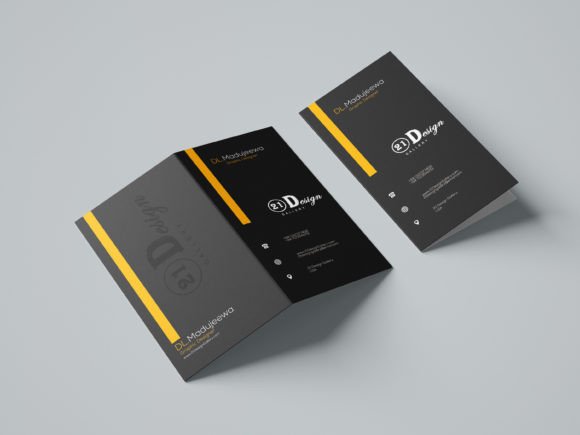
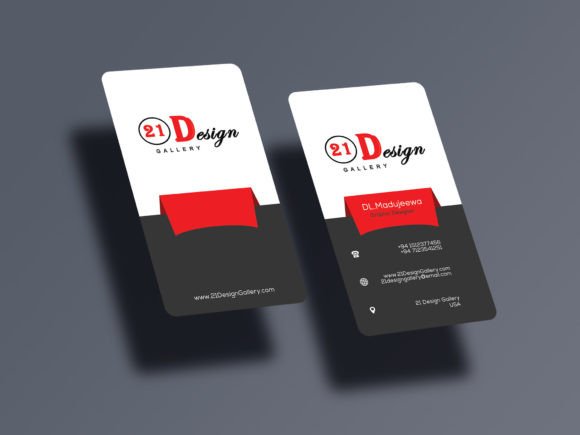
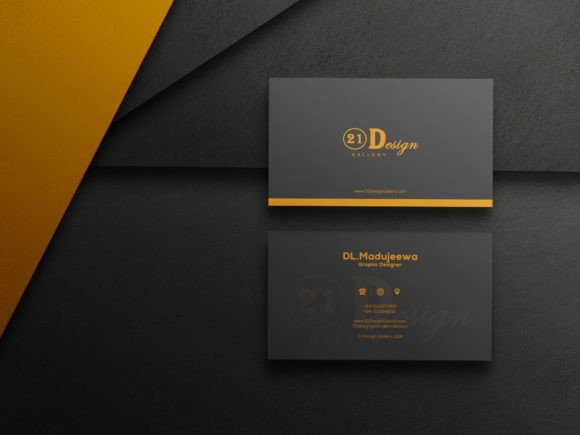
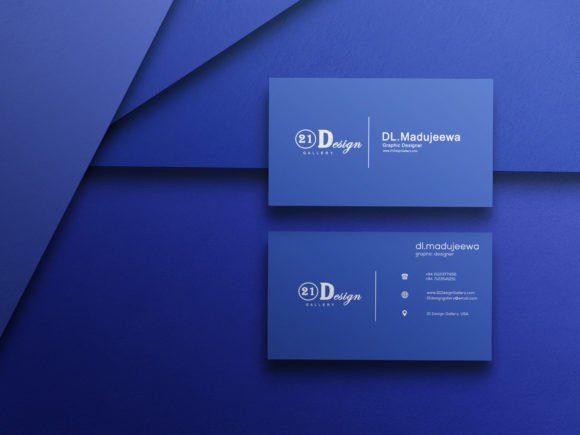
A professionally designed business card isn’t just about looking good—it's about communicating your brand effectively. A modern, simple, and unique layout with strong typography can elevate your personal or company identity. It tells your audience who you are, what you do, and how you want to be perceived.
Using a high-quality business card template ensures that your design is both visually appealing and functional. It also saves time and effort by providing a structured format that you can customize to match your brand’s aesthetic. With features like full customization, editable text, and support for multiple file formats, these templates offer flexibility and ease of use for designers of all skill levels.
Common Mistakes When Choosing a Business Card Template
While there are many great business card templates available, some users make mistakes that can impact the final outcome. One common error is selecting a template that doesn't align with the brand’s identity. For example, using a playful template for a professional service might send the wrong message to your target audience.
Another mistake is not considering the print quality. Many templates are created for digital use but lack the necessary resolution for high-quality printing. Always ensure that your chosen business card template is 300 DPI and supports CMYK color mode for accurate color reproduction.
Ignoring the file format is another oversight. While some templates come in JPG format, others may require Adobe Photoshop (PSD) or Illustrator (AI/EPS) files for full customization. If you’re not familiar with these tools, opt for templates that include user-friendly instructions or provide access to free editing software.
How These Mistakes Affect Your Results
Choosing the wrong business card template can lead to several issues. Poorly designed cards may appear unprofessional, which can damage your credibility. Additionally, low-resolution images or incorrect color modes can result in blurry or inaccurate prints, undermining the visual appeal of your brand.
Not understanding the file format requirements can also limit your ability to edit or scale the design properly. This can lead to wasted time and resources, especially if you need to make last-minute changes before printing.
Practical Tips to Avoid Common Pitfalls
To ensure your business card looks its best, start by defining your brand’s visual identity. Choose a template that reflects your personality or company values. If you’re unsure where to begin, look for templates with clear examples or reviews from other users.
Always check the file format and resolution before downloading. Make sure the template includes all necessary assets, such as fonts and images, so you can easily edit and customize it without additional purchases.
If you’re not familiar with design software like Adobe Photoshop or Illustrator, consider templates that come with a read me file or tutorial. These resources can help you understand how to use the template effectively and avoid common errors during the design process.
What to Look for in a Business Card Template
When evaluating a business card template, there are several key factors to consider. First, check the size—most standard business cards are 3.5x2 inches, but some templates may offer alternative sizes. Ensure that the template is scalable and maintains clarity at different dimensions.
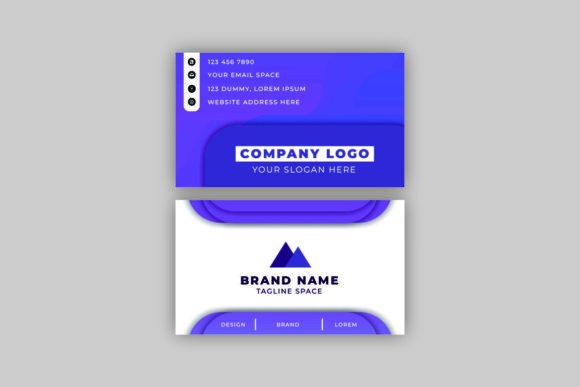
Next, look for templates that include a variety of layout options. A good business card should allow you to highlight essential information such as your name, title, contact details, and website. Avoid overcrowding the design, as this can make the card difficult to read.
Finally, verify that the template includes a read me file with font information and any special instructions. This ensures that you can use the template without encountering compatibility issues or missing elements.
Conclusion
A well-designed business card is more than just a piece of paper—it's a powerful marketing tool. By choosing the right business card template, you can create a professional and memorable impression that aligns with your brand identity. Avoid common mistakes by carefully evaluating the template’s features, file format, and design elements before finalizing your choice.